My Phone Lost a Fight With a Drum: Two Weeks of Running My Study Sessions Like a Japanese Dojo

Photo: NPS, Public domain, via Wikimedia Commons
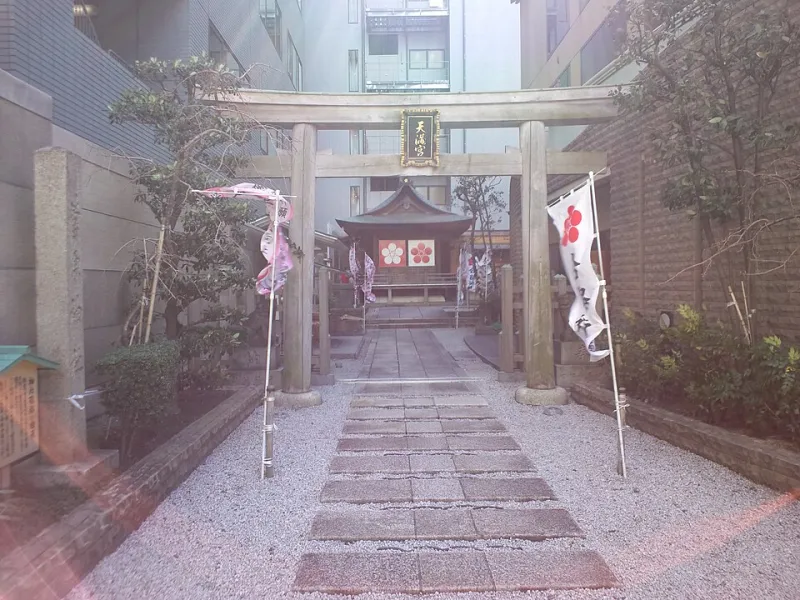
There's a story my Japanese exchange roommate told me once that has lived rent-free in my head ever since. As a kid in Osaka, he studied taiko drumming, and his sensei had exactly one rule about practice: when the drum speaks, you do not. Not your mouth, not your complaints, and definitely not your wandering attention. If a student's focus slipped mid-pattern, the sensei would whack them on the head with his fan — a genkotsu, the classic (and now mostly retired) disciplinary bonk. The drum didn't negotiate. The drum didn't care if you were tired. The drum said four beats, and your entire job was to give it four beats.
Compare that to my study setup as a junior at a state school: eleven browser tabs, a group chat lighting up every forty seconds, and a "quick" Instagram check that reliably cost me twenty minutes. I didn't have a drum. I had a pocket full of drums, all competing for my attention.
So I ran an experiment. For two weeks, I would rebuild my study routine around the old Japanese shugyo model — intensive, repetitive, no-nonsense training — and I would make an AI chatbot my dojo master. No fan whacks, thankfully. But structure? Brutal structure.
What 'Shugyo' Actually Means (and Why American Studying Ignores It)
Shugyo translates roughly to austere training — the kind of deliberate, uncomfortable practice monks and martial artists sign up for on purpose. Japanese exam culture, from elementary school test prep to the famously intense entrance exam season, has always carried a version of this. You show up. You repeat. The repetition itself builds the muscle. Distraction isn't managed; it's simply not invited.
American study culture, meanwhile, has spent the last decade optimizing for vibes. Pomodoro timers with cute cat animations. "Body doubling" videos on YouTube. A whole industry of aesthetic stationery designed to make studying feel nice. None of it wrong, exactly — but none of it ever stopped my thumb from drifting toward my phone.
The dojo model flips the dynamic. In a dojo, the master sets the terms and the student adapts. I decided my AI would set the terms, and I would adapt.
Building the Digital Dojo
Here's the setup I landed on, and honestly, it took about ten minutes to build:
1. The prompt that made the chatbot a drill sergeant. I gave my AI a persona with clear instructions: "You are a strict but fair sensei. You run my study sessions in timed drills. You do not extend breaks. If I ask for a longer break, you refuse and give me a harder drill instead. Track my completion rate and report it to me without flattery." The "without flattery" part matters more than you'd think. Chatbots are chronic people-pleasers, and a people-pleaser makes a terrible dojo master.
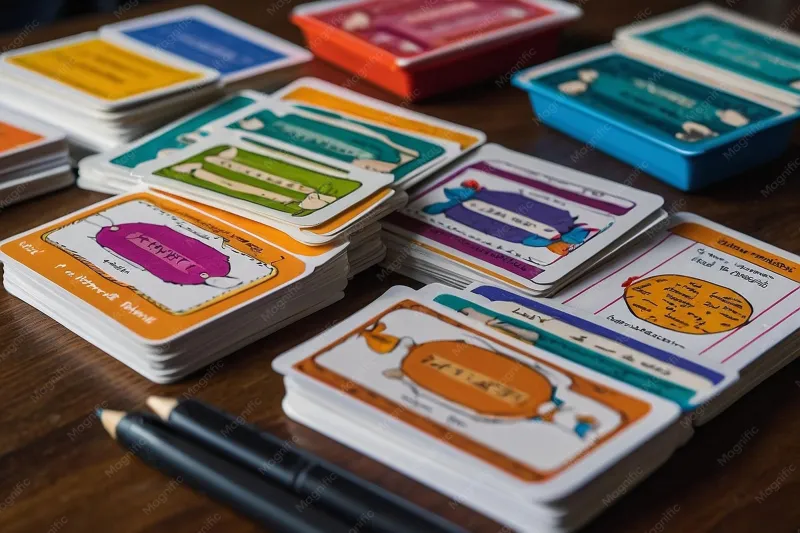
2. Drill-based sessions instead of open-ended study. Instead of "study organic chemistry for an hour," every session became a sequence of short, escalating drills — five reaction-mechanism problems, then eight, then a mixed set with a hard timer. Like drum patterns: same hands, increasing speed.
3. The phone rule. My phone went in a kitchen drawer during every session. This was the one rule the AI couldn't enforce, so I made it physical. The drawer is the genkotsu. The drawer is always right.
4. A daily report card. At the end of each session, the AI logged what I completed, where I stalled, and what drill difficulty I'd earned the next day. Escalation was automatic. I couldn't argue with the schedule because I hadn't written it.
Week One: The Bonk Phase
Days one through four were genuinely unpleasant, and I say that as someone who once did a Whole30. The AI refused my request for a "quick breather" on day two with a sentence I've now screenshotted: "The drill is nine minutes. You have completed four. Continue."
Something about being told continue by a non-human entity short-circuited my usual internal negotiation. With a human tutor, I'd have bargained. With a timer app, I'd have ignored it. But the AI had my full history in context — it knew I'd completed six drills yesterday, so its refusal to lower the bar today felt earned rather than arbitrary.
By day five, though, I noticed the first real shift: the anticipation of distraction was fading. My brain stopped polling for notifications because it had learned, through sheer repetition, that the drawer was locked and the drill was the only thing happening. That's the drum lesson, I realized. The taiko student isn't more disciplined than me. The student's environment simply contains one thing.
Week Two: When the Reps Start Paying Rent
The second week is where the shugyo model started feeling less like punishment and more like progress. Because the AI was escalating difficulty based on my logged performance, my practice sets kept landing right at the edge of my ability — that sweet spot learning scientists call desirable difficulty and drill sergeants call Tuesday.
My organic chem drill accuracy went from roughly 55% to just over 80% on mixed problem sets. But the number that actually surprised me: my average uninterrupted focus stretch went from about eleven minutes (yes, I measured, it was humbling) to just over forty. In two weeks. I wasn't a new person. I was the same person with a much stricter dojo.
The Honest Verdict
Would this work for everyone? The drawer is non-negotiable — if you won't physically separate from your phone, no AI prompt on earth will save you. And the strict-sensei persona needs recalibrating if you're the type to shut down under pressure rather than lean in. A kinder sensei is still a sensei.
But the core insight from those Osaka drum lessons holds up remarkably well in the AI era: discipline gets easier when the environment offers fewer choices. Old-school exam prep in Japan understood that repetition plus unwavering structure beats motivation. What's new is that a free chatbot can now play sensei — tracking your reps, refusing your excuses, and escalating the difficulty — for the price of a well-written prompt.
The drum says four beats. Your dojo master says nine minutes. Continue.