From Wooden Prayer Plaques to Chatbots: The Weird, Wonderful History of Trying to Guarantee a Passing Grade
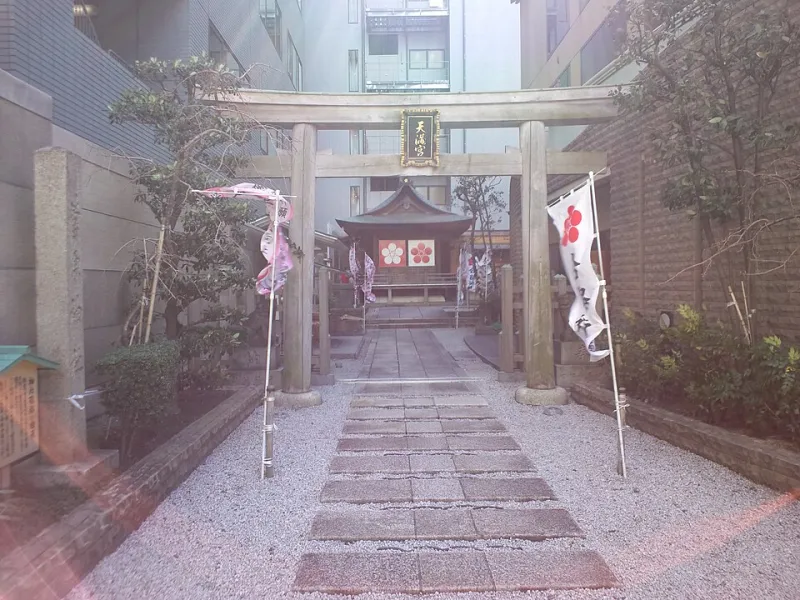
Photo: Yanajin33, CC BY-SA 3.0, via Wikimedia Commons
Somewhere in Japan right now, a stressed-out teenager is standing in front of a shrine, tying a small wooden plaque to a rack alongside hundreds of others. On the plaque, handwritten: "Please let me pass the entrance exam. I promise I'll study harder."
The plaque is called an ema, and students have been hanging them for centuries. Meanwhile, in the United States, a different teenager is refreshing a practice-test score on their laptop, whispering *"please please please."
Different centuries, different continents, same energy. Humans have never figured out how to feel safe on the night before a big exam. We just keep changing what we hold onto.
Luck Was the Original Study App
Japan's obsession with exam success runs deep. During the Edo period (1603–1868), students made actual pilgrimages to shrines dedicated to Tenjin — the deified spirit of Sugawara no Michizane, a scholar so brilliant in the 9th century that he got promoted to a god of learning after his death. If you wanted to pass the civil service exams, you walked there. You prayed. You bought a small brocade pouch called an omamori, a protective charm, and carried it into the exam hall.
The tradition never went away. Walk past any Japanese high school in exam season today and you'll see ema plaques by the hundreds. Students still buy gokaku charms — the word literally means "passing an exam," but the pun works because kacu ("to win") sounds the same, so charms are stamped with the homophone as a little linguistic good-luck loophole. Even Kit Kats became an exam talisman in Japan purely because "Kitto Katsu" sounds like "you'll surely win."
None of it studies for you. But all of it does something real: it converts free-floating dread into a concrete action. Psychologists would call it a control ritual. Test-takers just call it survival.
The American Version (and Why It Falls Short)
We have our own rituals, of course. Lucky pencils. The same hoodie worn to every final. Someone's roommate swears by eating a specific bagel before the SAT. It's charming, and it's doing the same psychological work as a shrine plaque.
But here's the thing: for 2,000 years, every good luck charm has been a one-way transaction. You ask. The universe shrugs. Nothing checks whether you actually know the material.
That's the gap AI finally fills. Not by replacing the ritual — by upgrading it.
Why AI Is the First Charm That Studies Back
A chatbot can't guarantee you'll pass. Anyone who tells you otherwise is selling something. But it can do something no ema, no charm, no lucky bagel ever could: it can verify that your confidence is based on reality.
Think about what actually causes test-day panic. It's rarely the material itself — it's not knowing whether you know it. That fog of "did I study enough?" is exactly what a good AI session can clear. Ask it to quiz you cold on the chapter you skimmed. Ask it where your practice-test errors cluster. Ask it, honestly, "am I ready?" and then actually listen to the answer.
The ritual survives. The wish finally gets a response.
Build Your Own Digital Omamori
Here's a practical version you can set up the week before any big exam — a folder (digital or printed) of AI-generated materials that function like a modern charm: part ritual, part actual preparation.
1. The One-Page Summary. Feed your notes or the syllabus to a chatbot and ask for a single-page cheat sheet of the highest-probability concepts. Read it every morning like a mantra. Unlike a lucky pencil, this one contains calculus.
2. The Confidence Quiz. Have the AI generate 10 questions you're likely to get right, based on topics you've told it you're strong in. Take it the night before. Scoring 9 or 10 out of 10 isn't superstition — it's calibrated confidence, which is the only kind that holds up under pressure.
3. The Pep Talk Prompt. This one sounds silly until you try it. Ask your chatbot: "I have an exam tomorrow on [subject]. Write me a short, no-cringe pep talk based on what I've actually studied." Because it knows your material, the encouragement is specific — "you've drilled these five concepts three times" lands differently than generic "you've got this!"
4. The Morning-Of Card. One final prompt: five key terms, two reminders about common mistakes, one line of encouragement. Screenshot it. Look at it in the parking lot instead of spiraling.
That's it. Four items, maybe an hour of setup, and you walk into the exam with something no Edo-period student ever had: a charm that contains your own knowledge, verified and condensed.
Keep the Ritual, Upgrade the Tool
There's a reason the ema plaques are still hanging after all these years. Rituals work — they calm the nervous system, focus attention, and mark the moment as important. The mistake would be thinking you have to choose between superstition and preparation.
Hang the plaque. Eat the lucky bagel. But back it with a folder of AI-generated summaries and a quiz you've already passed once.
Gokaku — passing — has always been part prayer, part work. For the first time in about two millennia, the prayer can answer back.