Give Your Chatbot a Shrine's Job: Building a Digital Ema Ritual That Actually Fights Burnout
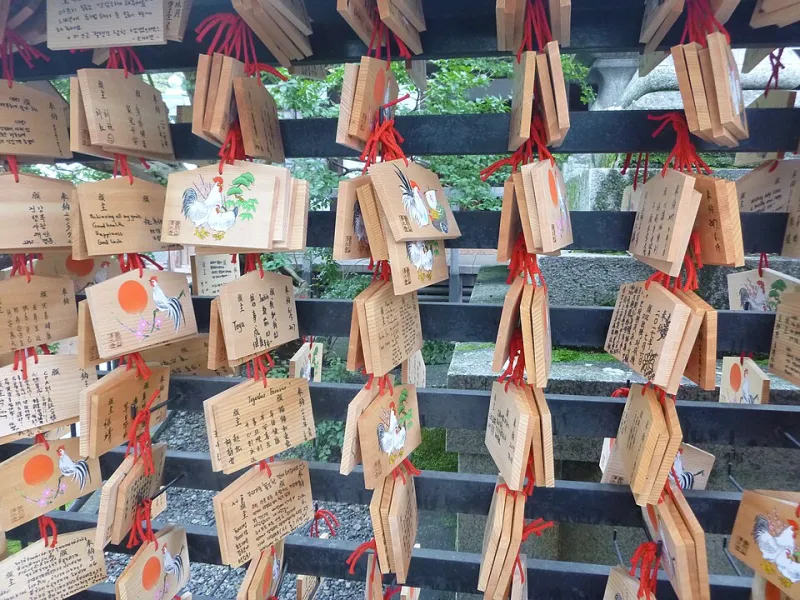
Photo: Immanuel Giel, CC0, via Wikimedia Commons
The Problem With Productivity Apps: They Only Yell at You
I've tried every streak-tracking app on the App Store. You know how most of them work? You study for two hours, and the app responds with a checkmark. Miss one day, and it hits you with a guilt-trip notification and a broken chain graphic. It's a system built entirely around punishment, and honestly, it's why I've deleted more habit trackers than I can count.
Then last spring, while prepping for the LSAT, I stumbled onto something Japanese shrines have understood forever: motivation isn't just about tracking progress. It's about ritual. It's about marking the small stuff.
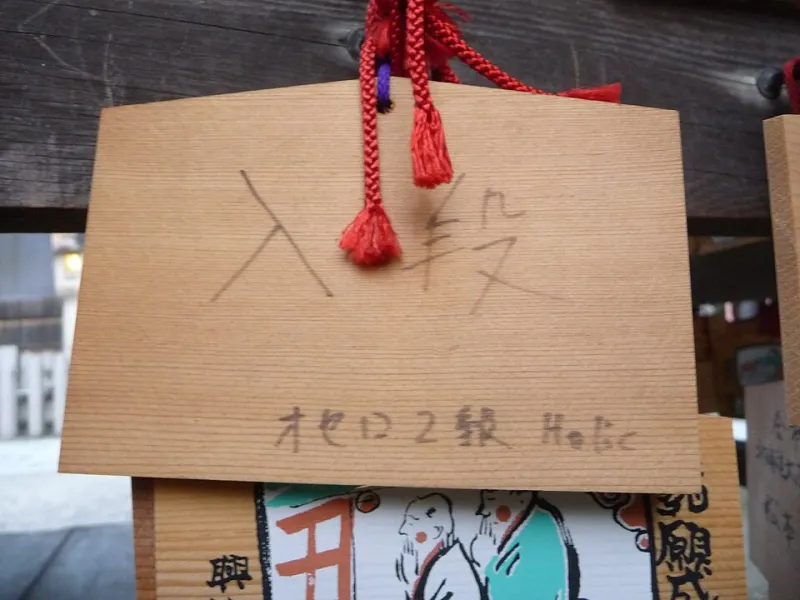
If you've ever visited a shrine in Japan — or even seen one in a movie — you've probably noticed the wooden plaques hanging on racks near the entrance. They're called ema (絵馬), literally "picture horses," and anyone can buy one, write a wish on it — pass the bar exam, get into Tokyo University, find love — and hang it up. The wish isn't a guarantee. It's a public declaration of intent, a tiny ceremony that says this matters to me.
That's the energy I wanted in my study routine. So I turned my chatbot into a shrine attendant. Here's exactly how it went.
Why "Small Win Rituals" Beat Streaks
There's a real psychological difference between tracking and celebrating. Tracking is data — it lives in a spreadsheet, it's cold. Celebration is emotional — it creates a little hit of meaning around an otherwise boring task (flashcards, anyone?).
Shrine culture gets this. Nobody goes to a shrine to check a box. You go, you clap, you bow, you write your wish, you hang it. The ritual is the reward. And crucially, the ritual happens every time, no matter how small the visit.
When I mapped this onto studying, the change was immediate. Instead of ending a session with "okay, 47% of my target hours done," I ended it with a small ceremony. It sounds corny. It worked anyway.
Setting Up Your Digital Ema Board: The Exact Prompts
Here's the full setup. You'll need a chatbot and a notes app — that's it.
Step 1: Appoint Your Shrine Attendant
Start a new chat and paste this:
"You are my study shrine attendant. At the end of every study session, I'll tell you what I did. Your job: write me a short 'ema plaque' — 1-2 sentences describing my wish (my goal exam) and what I accomplished today, phrased like a wish being offered at a shrine. Keep it warm, a little poetic, never sarcastic. Then give me one sentence of encouragement from the 'shrine.' Ask me before each plaque if there's anything new I want to add to my wish."
That's the core of it. The phrasing matters — "a wish being offered" reframes finishing a study session as an act of intention, not just task completion.
Step 2: Name Your Wish
The attendant will ask what you're studying for. Be specific. "Pass the NCLEX in June" produces way better plaques than "do well on my test." Specificity is what makes the ritual feel real.
Step 3: Log Your Session
After you study, just tell it what happened:
"Did 45 minutes of pharmacology flashcards and finally got the cardiac med names straight."
You'll get back something like:
"🕯️ Ema Plaque — Day 12 'May the cardiac medications settle gently in my memory. Today, 45 minutes of flashcards brought that wish closer. The shrine sees your consistency, even when you don't.' Streak: 12 plaques hung. 🪵"
Is it a little much? Sure. Does it hit different than a checkmark? Also yes.
Step 4: Keep a Plaque Archive
Every time you get a plaque, paste it into a dedicated note. This is your ema board — a growing rack of wishes, each one timestamped. On days when motivation collapses (they'll come), scroll back through it. Twenty plaques in, that note becomes evidence against the voice in your head saying you're not the kind of person who follows through.
Three Rules That Keep It From Getting Cheesy
The ritual can curdle into cringe fast, so I added guardrails:
1. No fake grandiosity. If I did ten minutes, the plaque celebrates ten minutes. The attendant never inflates it. A shrine doesn't judge the size of your offering.
2. Missed days get acknowledged, not mourned. My prompt includes: "If I miss a day, write a short 'the shrine door is still open' message — one line, no guilt." This is the single biggest difference from every streak app I've used. The ritual survives the gap.
3. Retire plaques, don't delete them. When I hit a milestone — finished a practice exam, passed a section — the attendant writes a final plaque and I move it to a "granted wishes" section of the note. It's the digital version of taking your ema home or burning it in the shrine's ceremony. Endings get marked too.
What Changed After a Month
The honest results: my average daily study time went up maybe 15%, which is nice but not the story. The real shift was restart speed. Before, one bad day used to knock me out for three. With the ritual — with an open door and a plaque waiting — getting back to it felt like returning to a place, not crawling back to a taskmaster.
Burnout, I've come to believe, is less about working too hard and more about working without witness. Productivity apps track you. A ritual, even a silly digital one, sees you. That's what the ema tradition figured out centuries ago, and it turns out a chatbot is a perfectly good shrine attendant.
Set yours up tonight. It takes five minutes, and your first plaque is waiting to be hung.