My AI Ran My Study Schedule Like a Taiko Drum Line — 100 Days of Escalating Beats to Exam Day
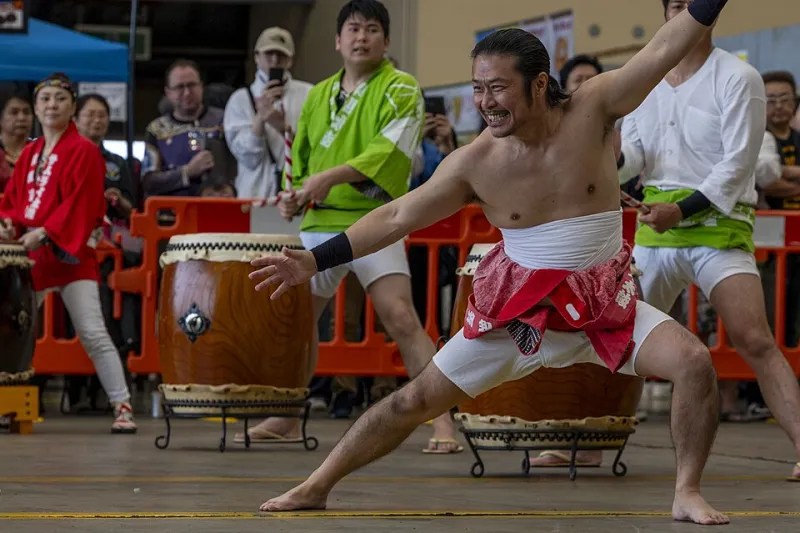
Photo: U.S. Air Force photo by Senior Airman Jarrett Smith, Public domain, via Wikimedia Commons
The Problem With Studying at One Speed
Most of us study like a metronome stuck on one setting. Same 45-minute sessions, same flashcards, same mild guilt, every single day. It works — until week seven, when the monotony eats you alive and you realize you've been practicing the same three kanji radicals for a fortnight.
The fix came to me from an unlikely place: a taiko drumming video I watched at 1 a.m. instead of sleeping. Taiko performances don't stay at one intensity. They start with a single drummer keeping a slow, deliberate pulse. Then another joins. The rhythm layers, quickens, and builds toward a finale where every drummer is hammering at full force — precisely, together, loud enough to feel in your chest.
That, I thought, is what a 100-day exam countdown should feel like.
So I handed my study schedule to an AI and gave it one instruction: run my prep like a taiko performance.
Setting Up the Drum Line
I was prepping for a Japanese proficiency exam, which meant kanji drills were the core of my routine — perfect material for rhythm-based scheduling. Here's the prompt structure I gave my chatbot:
"Act as my study conductor. Today is day 100 of my countdown to [exam date]. Design my prep in four movements, like a taiko performance: slow pulse (days 100–70), layering (days 69–40), acceleration (days 39–15), and crescendo (days 14–1). Adjust session length, difficulty, and drill intensity at each movement. Check in daily and recalibrate based on my accuracy rates."
The AI mapped it out like this:
- Movement 1 — The Slow Pulse (days 100–70): 20-minute sessions, 15 new kanji a day, generous review. The point wasn't volume; it was showing up and locking in the beat.
- Movement 2 — Layering (days 69–40): Sessions stretched to 35 minutes. The AI started mixing old kanji into new drills, adding reading comprehension on top of character drills. Second drummer joins.
- Movement 3 — Acceleration (days 39–15): 50-minute blocks, timed mini-quizzes, accuracy thresholds. Miss 80% and the AI shortened the session but cranked the repetition — like a drummer slowing the tempo to nail a tricky pattern before speeding back up.
- Movement 4 — Crescendo (days 14–1): Short, intense bursts. Full practice exams, rapid-fire review decks, and — critically — scheduled silence. Even the loudest taiko piece has rests.
Why the Escalation Actually Works
There's real cognitive science hiding in the drum metaphor. Spacing and interleaving are the two most evidence-backed study techniques we have, and a tempo that changes over time forces both. Early on, the AI kept sessions short and forgiving, which built the habit without burning me out. As test day approached, it leaned into retrieval practice and time pressure — the actual conditions of the exam room.
The subtle genius was that the AI tied intensity to days remaining, not to my motivation. On days I felt invincible, the schedule said 35 minutes. On days I felt like garbage, it still said 35 minutes — though it would swap hard drills for review if my accuracy cratered. The beat doesn't care how you feel. It just keeps time. Oddly, that was a relief.
The Day the Rhythm Broke
Day 47. A work emergency, a missed session, and a spiral of "well, the whole schedule is ruined now."
Here's where the AI earned its keep. Instead of letting me quit, it did what a good taiko ensemble does when a drummer drops a beat: it didn't stop the performance. It folded the miss into the pattern.
"You missed one session," it said. "We'll compress Movement 2 by three days by converting two review sessions into combined drills. The crescendo date doesn't move."
That reframe — the exam doesn't move, the rhythm adapts — is the single most useful thing I took from the whole experiment. Perfectionist study plans shatter at the first missed day. Adaptive ones bend.
Borrowing the Drum Line for American Exams
You don't need kanji to run this play. The structure ports cleanly to any big US test:
- MCAT (typically a 3–6 month runway): Treat each month as a movement. Slow pulse for content review, layering for flashcards plus practice passages, acceleration for full-length exams, crescendo for the final two weeks of targeted review and rest.
- Bar exam (the classic 10-week prep): Your bar prep course already escalates — the AI's job is enforcing the tempo and recalibrating when life intervenes.
- College finals (the 3-week panic): Compress the timeline. Days 21–14 are your slow pulse, 13–7 the acceleration, finals week the crescendo — which should include actual sleep.
One warning: tell the AI the end date and the movements, not just "make me a study schedule." The magic is in the escalating structure, not the calendar itself.
The Finale
On exam morning, I noticed something strange: I wasn't nervous in the usual way. I'd spent 100 days listening to a rhythm that got louder and faster exactly when it needed to, and test day felt like the downbeat I'd been rehearsing toward.
I passed. And when I sat down at my desk the next week, I caught myself tapping out a slow, steady pulse — the first beat of the next performance.
If your study routine has plateaued into monotony, hand the conductor's baton to a chatbot and ask it to build you a drum line. Start quiet. Build loud. Finish strong.