An AI Audited My Desk Like a Japanese Hospital Inspector — The First Thing It Flagged Cost Me $0 to Fix
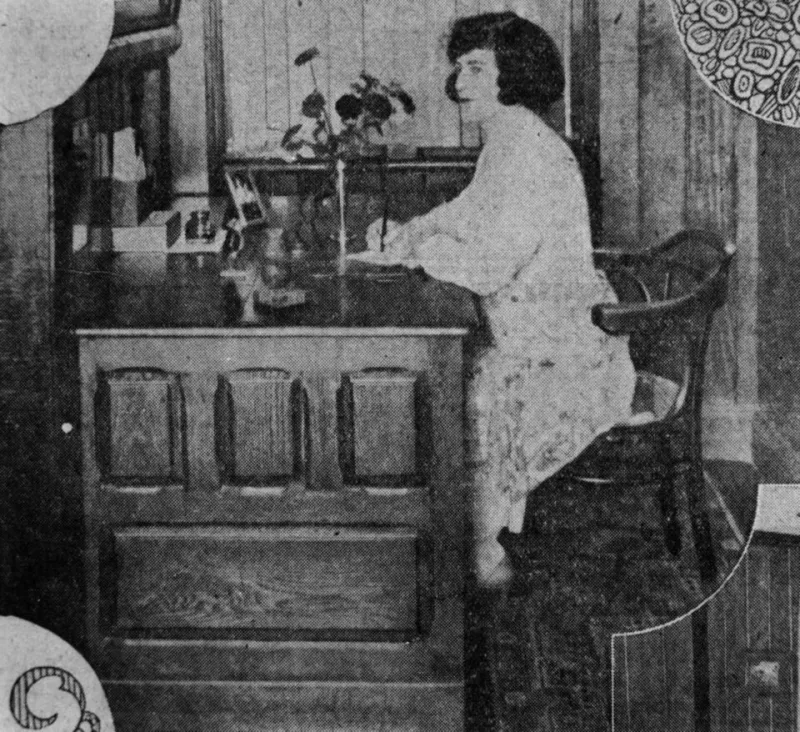
Photo: Contributor(s): Truth (Brisbane, Qld.), Public domain, via Wikimedia Commons
There's a reason Japanese hospitals run so smoothly. A big part of it is kansatsu — the culture of structured observation, where staff constantly inspect routines and environments looking for small inefficiencies. Nothing is too minor to flag. A poorly placed supply cart gets documented. A glare-prone monitor gets a note.
Meanwhile, I'd been studying for the GRE at a desk I hadn't thoughtfully looked at since 2019. So I figured: why not borrow the inspection mindset and hand the clipboard to a chatbot?
I uploaded four photos of my study corner, described my chair, lighting, phone habits, and daily schedule, then gave the AI one instruction: act like a hospital inspector doing a walkthrough. Rank every problem you find by impact, and tell me what to fix first.
What came back was a six-item report. Here's how it played out.
Finding #1: My Window Was Sabotaging Me (Cost: $0)
The very first flag wasn't my phone or my cluttered desktop. It was that I was sitting with a bright window directly behind my monitor. Every photo I sent had a subtle silhouette effect — my face and desk surface in shadow, screen fighting daylight.
The AI explained the basics: backlighting forces your eyes to constantly readjust between bright and dark zones, and that micro-adjustment is a slow, invisible tax on focus. The fix? Rotate the desk ninety degrees so the window hits my side, not my back. Took ten minutes. The difference in late-afternoon eye fatigue was noticeable within two days.
Finding #2: My Phone's "Charging Spot" Was a Lie I Told Myself
I've long claimed my phone lives on the charger across the room. The photos told a different story: it was face-up, six inches from my keyboard, screen-down but very much present.
The AI didn't lecture me about discipline. It cited the general finding from attention research that the mere visibility of a smartphone measurably drains available cognitive capacity, even when you don't touch it. Your brain spends background effort on not-checking.
Fix: phone charges in the kitchen during study blocks. Free. Annoying. Effective.
Finding #3: My Chair Height Was Off by About an Inch
This one stung. I'd bought a decent ergonomic chair years ago and assumed that was the whole job. The AI looked at my photos and noted my elbows sat well below desk level and my wrists appeared to angle upward toward the keyboard.
The reasoning: a chair that's too low loads your shoulders and forearms, and low-grade physical discomfort is exactly the kind of distraction you don't consciously register — you just get fidgety and take "breaks." I raised the seat, added a $12 footrest situation (a shoebox, honestly), and my wrists settled into a neutral line.
Finding #4: My Lighting Was One-Dimensional
Overhead light only. No task lamp. The AI's note read like a proper inspection report: inadequate localized illumination at the work surface; ambient source creates ceiling-bright, desk-dim contrast.
Translation: my eyes were working overtime to read printed practice questions in a pool of shadow. A basic clip-on lamp aimed at my desk — not the screen — fixed it. Around $15 if you don't already own one.
Finding #5: The Wall in Front of Me Was a To-Do List
Directly in my sightline: sticky notes, three unopened envelopes, and a calendar with alarming red circles. The AI called this "passive task intrusion" — visual reminders of obligations that hijack attention every time your gaze wanders, which it does roughly every few seconds whether you like it or not.
I moved all of it behind me. In its place: nothing. A blank wall turns out to be an underrated study tool.
Finding #6: My Water Was Too Far Away
Small one, but the inspection didn't skip it. My water bottle sat on a side table behind my chair, which meant every sip broke my posture and, more importantly, gave my brain a tiny permission slip to context-switch. Water now lives at the top-right corner of the desk. Hydration stays on schedule; so does focus.
How to Run Your Own Kansatsu Audit
Want to try this yourself? Here's the exact playbook:
- Take 4–6 photos of your study space from where you actually sit, plus one wide shot of the whole room.
- Describe your habits honestly — where your phone really is, when you study, what you reach for when stuck.
- Prompt the AI like an inspector, not a friend: ask it to rank issues by impact on focus and endurance, flag anything that costs nothing to fix, and explain the reasoning for each.
- Fix in ranked order, one change at a time, and give each fix three study sessions before judging it.
One caveat: chatbots can misread photos, and they don't know your landlord, your budget, or the fact that your desk is bolted to a wall. Treat the report as a smart second opinion, not a final verdict. If a suggestion doesn't fit your space, adapt it.
The Verdict
Total spend: about $15. Total time: an afternoon. The biggest fixes — desk rotation, phone exile, wall-clearing — were free.
The real lesson from the kansatsu mindset isn't any single recommendation. It's that your environment is quietly shaping your study sessions every single day, and you've probably stopped seeing it. An AI inspector doesn't have the blind spots you do. Hand it the clipboard and see what it finds first — my money's on the window.